Etiketter
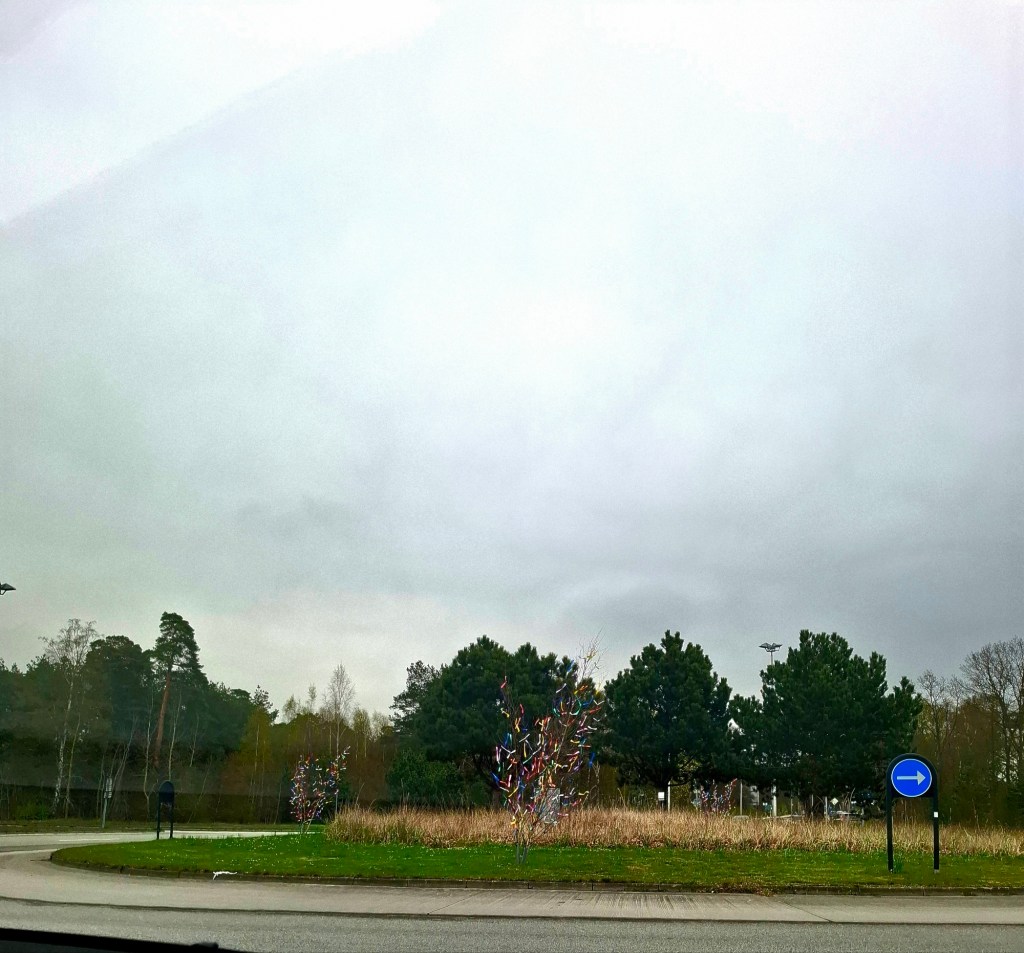
decoration, dekoration, easter, Foto, Påsk, Photography, rondell, roundabout

20 söndag Apr 2025
Posted in Out of town, Såkallade högtider
Etiketter
decoration, dekoration, easter, Foto, Påsk, Photography, rondell, roundabout

 Yolanda and her creative scream
METASONÌE skriver:
Buona Pasqua Yolanda!
GillaGillad av 2 personer
Yolanda - Aspergers syndrome - Poetry - Photography/edit - Art - Mental illness skriver:
Thanks ^^; you too
GillaGillad av 2 personer
Margaret skriver:
Ah, how lovely Yolanda.
Happy Easter if you celebrate & nice day anyway if you don’t. 💐💙🌅
GillaGillad av 2 personer
Yolanda - Aspergers syndrome - Poetry - Photography/edit - Art - Mental illness skriver:
Thank you. Happy easter ^^;
GillaGillad av 2 personer
Margaret skriver:
✨🐣💙
GillaGillad av 1 person
Yolanda - Aspergers syndrome - Poetry - Photography/edit - Art - Mental illness skriver:
Iiiiiiiiiihp
GillaGillad av 2 personer
Carita Liljendahl skriver:
Rondell-dekorationer är fina – speciellt om de varieras till olika helger, sommar och vinter osv.
GillaGillad av 2 personer
Yolanda - Aspergers syndrome - Poetry - Photography/edit - Art - Mental illness skriver:
Ja (:
GillaGillad av 1 person
luisa zambrotta skriver:
Happy Easter!
GillaGillad av 2 personer
Yolanda - Aspergers syndrome - Poetry - Photography/edit - Art - Mental illness skriver:
Happy easter ^^;
GillaGillad av 2 personer
luisa zambrotta skriver:
🙏🐣🙏
GillaGillad av 2 personer
Yolanda - Aspergers syndrome - Poetry - Photography/edit - Art - Mental illness skriver:
^^;
GillaGillad av 2 personer
mosckerr skriver:
The T’NaKH, resurrection non existent, personal resurrection a foreign Greek or Roman mythology. The only reference in the whole of the Torah for such a brain dead stupid myth, the משל of the oath sworn between the pieces wherein old Sarah and Avram told their bodies would rise from the dead and produce children in their old age. Ezekiel 37 “Valley of dry bones” merely a משל which teaches the mussar that Israel in g’lut – like as in the days of ancient Egypt – would “rise from the dead” and the Jewish nation in Judea would live again as a free nation in the Middle East. Daniel 12:2 mysticism serves as a commentary to Ezekiel 37.
John (the client of a prostitute) 20 merely exists as a mythological perversion of the T’NaCH, which seeks to substitute Xtian believers as the “new chosen Cohen people/not nation. The T’NaKH contains no precedent for individual resurrection as a theological claim. John’s gospel—especially chapter 20—isn’t just a myth. It’s a Greco-Roman literary appropriation of Jewish symbols, repackaged to serve a super-sessionist agenda. Empty tombs, gardener deities, death-and-rebirth motifs, and female witness figures are all common in Hellenistic mystery cults (e.g., Dionysus, Osiris, Adonis). Mary Magdalene, cast as the first witness, is framed like a cultic initiate recognizing the divine epiphany—straight out of pagan salvific theater.
There’s a long pagan tradition of personal resurrection, often linked to fertility cycles, divine kingship, or mystery cult initiations. The Greco-Roman world was saturated with myths of dying-and-rising gods or mortals. Dionysus is killed (in some versions by Titans), dismembered, and then resurrected by his father Zeus. Mystery cults of Dionysus emphasized death, rebirth, and personal salvation through initiation. A very clear parallel to the later Xtian spiritual narrative. Osiris, murdered by his brother Set, chopped into pieces, then reassembled and resurrected by his wife Isis. Osiris becomes king of the underworld, and a symbol of personal resurrection for believers in Egyptian and later Hellenistic-Egyptian cults. Osiris’ cult was imported into Greco-Roman religion—Isis-Osiris-Serapis worship was especially popular in 1st-century Egypt and Rome.
Romulus disappears in a storm and is later resurrected/assumed into heaven as the god Quirinus; Divine ruler who does not stay dead—instead, he ascends and becomes a deity of the Roman state; similar to the idea of Jesus “ascending” to become Lord.
John 20 and 1 Corinthians 15—absorbs and retools all these elements, like Dionysus and Osiris, or like the myth of Romulus. This isn’t prophecy fulfilled—it’s myth recycled, now retrofitted with Hebrew names and places, but completely foreign to T’NaCH literature.
GillaGilla
derrickjknight skriver:
The sky makes the picture
GillaGillad av 2 personer
Yolanda - Aspergers syndrome - Poetry - Photography/edit - Art - Mental illness skriver:
^^;
GillaGillad av 2 personer
beetleypete skriver:
We don’t have Easter decorations like those here. Something different for me.
Best wishes, Pete. x
GillaGillad av 1 person
Yolanda - Aspergers syndrome - Poetry - Photography/edit - Art - Mental illness skriver:
Oh, interesting!
GillaGillad av 1 person